
When you start exploring online education resources, you’re stepping into one of the most powerful changes in modern education. Today, you don’t need to sit in a classroom or follow a strict schedule to learn something valuable. With just a phone or laptop, you can study anything from basic school subjects to advanced professional skills.
In this detailed guide, we’ll break down everything about online education resources—what they are, how they work, the best platforms, how to use them properly, and how you can build a strong learning routine that actually helps you grow.
What Are Online Education Resources?
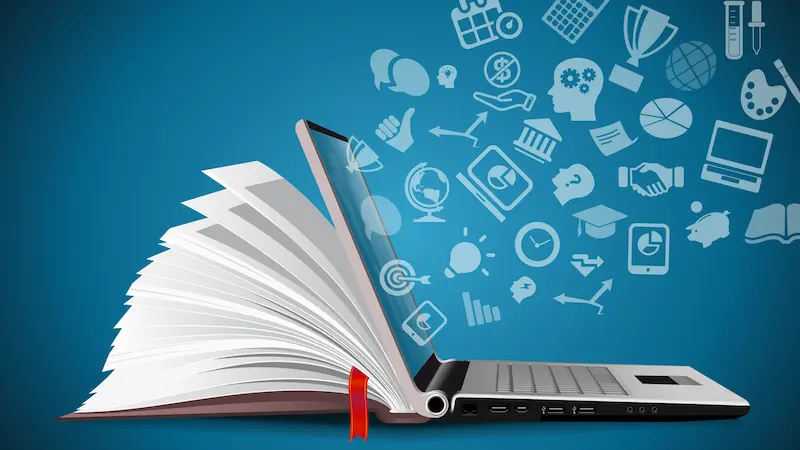
Online education resources are digital tools and platforms that help you learn through the internet instead of traditional classrooms. These resources can be structured courses, video lectures, practice exercises, reading materials, or interactive learning apps.
Think of them as a complete digital school system available 24/7.
They include:
- Full online courses
- Video tutorials
- Interactive quizzes and assignments
- Digital textbooks and PDFs
- Educational apps and mobile learning tools
- Live classes and webinars
- Community forums for discussion
The biggest advantage is that you control the pace. You can pause, repeat, or skip lessons based on your understanding.
Why Online Education Resources Matter Today
The popularity of online education resources is not just a trend—it’s a global shift in how people learn.
Here’s why they matter so much:
1. Learning Without Boundaries
You are not limited by your city, school, or country. You can learn from Harvard professors, industry experts, or experienced teachers from anywhere in the world.
2. Cost-Effective Education
Traditional education can be expensive. Online learning offers:
- Free courses
- Low-cost certifications
- Affordable skill-based training
3. Career-Oriented Skills
Many learners use online platforms to build real job skills like:
- Coding
- Digital marketing
- Graphic design
- Data analysis
- Communication skills
4. Flexible Schedule
You don’t need to follow strict timing. You can learn:
- Before work
- After school
- Late at night
- During weekends
5. Continuous Learning
Online resources support lifelong learning, which is important in a fast-changing world.
Best Online Education Resources You Should Know
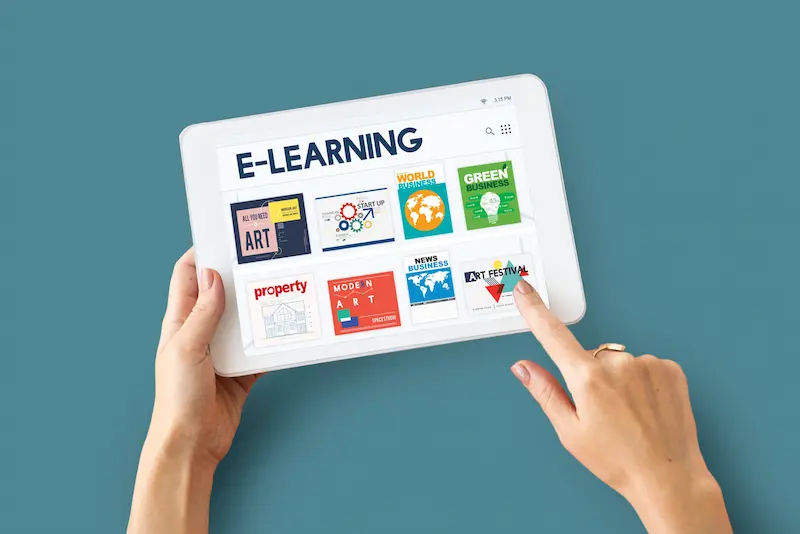
Let’s go deeper into the most trusted online education resources that millions of learners use worldwide.
1. Coursera
Coursera is one of the most powerful platforms for structured learning.
What makes it special?
- Courses from top universities like Stanford and Yale
- Professional certificates and even full degrees
- Industry-recognized programs
Best for:
- Career growth
- Professional certifications
- Deep academic learning
For example, if you want to become a data analyst or project manager, Coursera offers complete guided paths.
2. Khan Academy
Khan Academy is one of the most trusted free online education resources.
Features:
- 100% free learning
- Simple explanations for difficult topics
- Practice exercises and quizzes
Subjects covered:
- Math (basic to advanced)
- Science
- Economics
- Computer science basics
It’s especially useful for students who want to strengthen their foundation.
3. Udemy
Udemy is a massive marketplace of practical skills.
Why people love it:
- One-time payment for lifetime access
- Huge variety of courses
- Courses created by industry professionals
Popular topics:
- Web development
- Freelancing
- Graphic design
- Video editing
- Personal development
It’s more practical than academic, making it great for job skills.
4. edX
edX focuses on high-quality academic learning.
Highlights:
- Courses from Harvard, MIT, and other top institutions
- Micro-degrees and professional certificates
- Strong academic structure
Best for:
- Serious learners
- Students preparing for higher education
- Professionals upgrading credentials
5. YouTube
YouTube is one of the most underrated online education resources.
Why it works:
- Completely free
- Visual learning (easy to understand)
- Endless tutorials on every topic
Examples of what you can learn:
- Coding tutorials
- Language learning
- Fitness and health education
- Business and finance basics
The key is finding reliable educational channels.
6. LinkedIn Learning
LinkedIn also offers structured learning through LinkedIn Learning.
Benefits:
- Professional skill development
- Industry-focused courses
- Certificates that appear on your profile
It’s especially useful if you’re building a career in business or tech.
Types of Online Education Resources Explained
Understanding the categories helps you choose better.
1. Academic Learning Resources
These are used for school and university-level education:
- Mathematics
- Physics
- Chemistry
- History
- Literature
Best platforms: Khan Academy, edX
2. Skill-Based Learning Resources
Focused on job-ready skills:
- Programming
- Digital marketing
- SEO and blogging
- Graphic design
Best platforms: Udemy, Coursera
3. Language Learning Resources
Used to learn new languages:
- English fluency
- Spanish, French, German
- Speaking and listening practice
Apps like Duolingo and YouTube tutorials help a lot here.
4. Professional Development Resources
These help in career growth:
- Leadership training
- Project management
- Business communication
- IT certifications
Best platforms: Coursera, LinkedIn Learning
You may also like to read this:
Study Tips For Students: Smart Habits For Academic Success
Best Academic Learning Guides For Effective Studying
Student Success Strategies Every Student Should Follow
Best Education Blogs For Learners To Boost Knowledge Fast
How to Use Online Education Resources Effectively
Just having access to online education resources is not enough—you need the right approach.
Step 1: Set a Clear Goal
Ask yourself:
- Do I want a job?
- Do I want better grades?
- Do I want to learn a hobby?
Step 2: Choose One Platform First
Don’t jump everywhere. Start with one platform and stay consistent.
Step 3: Create a Study Routine
Even 30–60 minutes daily can make a huge difference.
Step 4: Practice What You Learn
If you’re learning coding, build small projects. If it’s marketing, try real examples.
Step 5: Track Your Progress
Write down what you’ve learned each week.
Common Mistakes to Avoid
Many learners fail not because of resources, but because of habits:
- Switching platforms too often
- Watching without practicing
- Lack of consistency
- Learning without a goal
Avoiding these mistakes will improve your results dramatically.
Future of Online Education Resources
The future of online education resources is becoming even more advanced and personalized:
- AI-based tutors that teach you individually
- Virtual reality classrooms
- Adaptive learning systems that adjust difficulty
- More global access to education
- Certifications replacing traditional degrees in some industries
Learning online will soon feel just as normal as attending school.
Final Thoughts
Online education resources have completely changed the way people learn. You no longer need expensive institutions or strict schedules to gain knowledge. Everything is available right at your fingertips.
Whether you’re a student, job seeker, or someone who just loves learning, these platforms can help you grow at your own pace.
If you stay consistent and focused, online education resources can truly help you build skills, improve your career, and open new opportunities in life.
FAQs About Online Education Resources
1. What are online education resources?
Online education resources are digital platforms, websites, and tools that help you learn new skills or academic subjects through the internet. They include video courses, tutorials, quizzes, eBooks, and live classes that you can access anytime.
2. Are online education resources better than traditional learning?
It depends on your needs. Online education resources offer flexibility, affordability, and a wide range of topics, while traditional learning provides structured classroom environments. Many learners now use both together for better results.
3. Are online education resources free?
Some online education resources are completely free, like Khan Academy and YouTube tutorials. Others, like Coursera, Udemy, and edX, offer both free and paid courses depending on certification and content depth.
4. Can I get a job using online education resources?
Yes, many people build careers using skills learned from online education resources. Platforms like Coursera, Udemy, and LinkedIn Learning offer job-oriented courses in fields like IT, marketing, design, and business.
5. What are the best online education resources for beginners?
For beginners, the best options include:
Khan Academy for basics
YouTube for visual learning
Udemy for practical skills
Coursera for structured courses
These platforms make learning simple and easy to follow.