

Have you ever spent hours studying only to forget what you learned a few days later? Or maybe you’ve struggled to stay organized, manage your study time, or prepare effectively for exams. If that sounds familiar, academic learning guides can be a game-changer for your educational journey.
Academic learning guides are designed to help students learn smarter, not harder. They provide structured strategies, proven study methods, time-management techniques, and educational resources that make learning more effective and less stressful. Whether you’re a high school student, college learner, university researcher, or online student, academic learning guides can help you achieve your academic goals with confidence.
In this comprehensive guide, you’ll learn everything about academic learning guides, including their importance, benefits, study techniques, learning strategies, and practical tips for long-term academic success.
What Are Academic Learning Guides?

Academic learning guides are educational resources that provide students with organized methods and strategies to improve learning outcomes. These guides help learners understand how to study efficiently, manage coursework, prepare for exams, and develop essential academic skills.
Rather than focusing solely on subject content, academic learning guides teach students how to learn effectively.
These guides typically include:
- Study strategies
- Learning techniques
- Time management methods
- Note-taking systems
- Revision plans
- Research skills
- Exam preparation guidance
- Critical thinking exercises
- Academic writing tips
Their purpose is to help students maximize their learning potential while reducing confusion and stress.
Why Academic Learning Guides Are Important
Many students assume that success depends only on intelligence. However, research consistently shows that effective learning strategies play a major role in academic achievement.
Academic learning guides help students:
Improve Understanding
Instead of memorizing information without context, students learn how concepts connect and build deeper understanding.
Increase Productivity
With clear study plans and organized learning methods, students can accomplish more in less time.
Build Confidence
Knowing exactly how to approach assignments, projects, and exams reduces anxiety and increases confidence.
Develop Lifelong Learning Skills
The skills taught in academic learning guides remain useful long after graduation and can benefit professional careers.
Reduce Academic Stress
A structured approach to studying prevents last-minute cramming and helps students feel more prepared.
Key Elements of Effective Academic Learning Guides
Not all learning resources are equally effective. The best academic learning guides include several important components.
Clear Learning Objectives
Every learning session should begin with a clear goal.
Examples include:
- Understanding a chapter
- Mastering a mathematical concept
- Preparing for a quiz
- Completing an assignment
When objectives are clearly defined, students stay focused and motivated.
Benefits of Learning Objectives
- Better concentration
- Improved direction
- Easier progress tracking
- Increased motivation
Study Planning and Organization
Organization is one of the most important academic skills.
Academic learning guides often teach students how to:
- Create study schedules
- Set realistic goals
- Prioritize assignments
- Track deadlines
- Balance study and personal life
Students who plan effectively often experience lower stress levels and better academic performance.
Creating a Weekly Study Plan
A good study plan should include:
| Activity | Recommended Time |
| Class Review | Daily |
| Homework | Daily |
| Reading | Several times weekly |
| Revision | Weekly |
| Practice Tests | Before exams |
Consistency is more important than studying for long hours occasionally.
Effective Note-Taking Methods
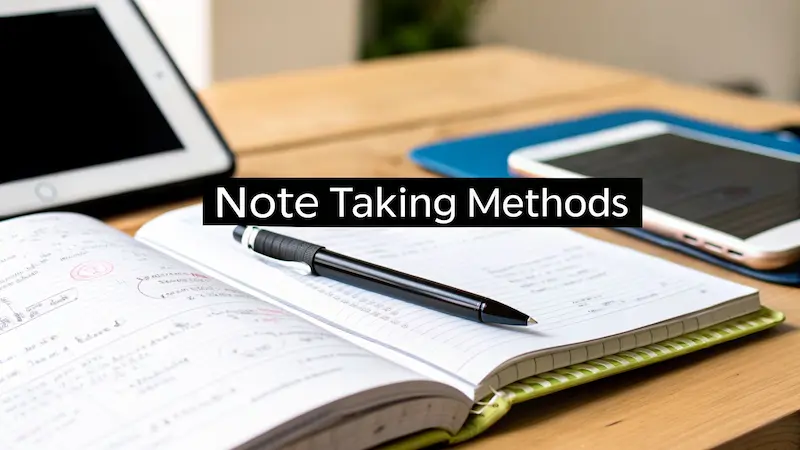
Good notes make studying easier and more efficient.
Academic learning guides frequently recommend these note-taking techniques.
Cornell Note-Taking System
The Cornell Method divides notes into three sections:
Main Notes Area
Used for detailed lecture notes.
Cue Column
Contains keywords and important questions.
Summary Section
Provides a brief overview of the lesson.
This system improves understanding and makes revision faster.
Mind Mapping
Mind maps organize information visually.
Benefits include:
- Better memory retention
- Easier understanding of complex topics
- Improved creativity
- Stronger concept connections
Mind mapping works especially well for science, history, and business subjects.
Outline Method
This traditional system organizes information into:
- Main topics
- Subtopics
- Supporting details
The outline method is excellent for lectures and textbook chapters.
Active Learning: The Secret to Academic Success
One of the most important principles emphasized in academic learning guides is active learning.
Many students simply read textbooks repeatedly. Unfortunately, passive reading is often ineffective.
Active learning requires direct engagement with information.
Examples of Active Learning
Self-Testing
Quiz yourself without looking at notes.
Teaching Others
Explaining a concept helps identify knowledge gaps.
Group Discussions
Talking about topics improves understanding and retention.
Practice Problems
Particularly useful for mathematics and science subjects.
Flashcards
Ideal for vocabulary, formulas, and key facts.
Students who actively engage with material often remember information much longer.
Best Study Techniques Recommended in Academic Learning Guides
Active Recall
Active recall is one of the most effective learning techniques available.
Instead of rereading information, students attempt to retrieve it from memory.
Examples include:
- Answering questions
- Completing practice quizzes
- Reciting information from memory
Why Active Recall Works
It strengthens neural pathways and improves long-term retention.
Spaced Repetition
Spaced repetition involves reviewing information over increasing intervals.
For example:
- Day 1: Learn material
- Day 3: Review
- Day 7: Review again
- Day 14: Review again
- Day 30: Final review
This method significantly improves memory retention.
Pomodoro Technique
The Pomodoro Technique helps students maintain focus.
How It Works
- Study for 25 minutes.
- Take a 5-minute break.
- Repeat four times.
- Take a longer break.
Benefits include:
- Reduced mental fatigue
- Better concentration
- Improved productivity
Time Management Strategies for Students
Poor time management is one of the biggest barriers to academic success.
Academic learning guides often emphasize developing strong time-management habits.
Set SMART Goals
SMART goals are:
- Specific
- Measurable
- Achievable
- Relevant
- Time-bound
Example:
“Complete Chapter 5 notes by Friday evening.”
Prioritize Important Tasks
Focus first on:
- Upcoming exams
- Assignment deadlines
- Major projects
Avoid spending too much time on low-priority activities.
Avoid Procrastination
Procrastination leads to:
- Stress
- Poor performance
- Missed deadlines
Strategies to overcome procrastination include:
- Breaking tasks into smaller steps
- Setting deadlines
- Removing distractions
- Starting with easy tasks
Academic Learning Guides for Different Subjects
Mathematics
Mathematics requires practice and understanding.
Tips include:
- Solve problems daily
- Understand concepts before formulas
- Review mistakes carefully
- Practice different question types
Science
Science subjects involve understanding principles and applying knowledge.
Effective strategies include:
- Using diagrams
- Conducting experiments
- Reviewing concepts regularly
- Creating summary notes
History
History students benefit from:
- Timelines
- Historical comparisons
- Cause-and-effect analysis
- Frequent revision
Literature
Literature learning improves through:
- Active reading
- Character analysis
- Theme exploration
- Essay practice
Research Skills in Academic Learning Guides
Research is an essential academic skill.
Academic learning guides teach students how to:
Find Reliable Sources
Look for:
- Academic journals
- Educational websites
- University publications
- Scholarly books
Evaluate Information
Consider:
- Author credibility
- Publication date
- Evidence provided
- Accuracy
Organize Research
Use:
- Research notes
- Citation tools
- Reference managers
These skills are critical for assignments and academic writing.
You may also like to read this:
Top Online Education Resources To Boost Your Skills in 2026
Study Tips For Students: Smart Habits For Academic Success
Student Success Strategies Every Student Should Follow
Best Education Blogs For Learners To Boost Knowledge Fast
Exam Preparation Strategies
Exams can be stressful, but academic learning guides provide practical preparation methods.
Start Early
Avoid last-minute cramming.
Begin reviewing weeks before exams.
Create a Revision Schedule
Allocate time for:
- Reading notes
- Practice questions
- Mock exams
- Weak topics
Use Practice Tests
Practice exams help students:
- Identify weaknesses
- Improve time management
- Build confidence
Focus on Understanding
Memorization alone is rarely enough.
Understanding concepts leads to better exam performance.
Digital Tools That Support Academic Learning
Technology can make studying more efficient.
Useful tools include:
Note-Taking Applications
Help organize study materials.
Online Flashcards
Support active recall and spaced repetition.
Digital Calendars
Assist with scheduling and deadlines.
Educational Platforms
Provide tutorials, videos, and learning resources.
These tools complement the strategies found in academic learning guides.
Common Challenges Students Face
Lack of Motivation
Solutions:
- Set small goals
- Celebrate achievements
- Study with friends
Poor Concentration
Solutions:
- Study in quiet environments
- Limit social media use
- Follow focused study sessions
Exam Anxiety
Solutions:
- Practice regularly
- Prepare early
- Use relaxation techniques
Information Overload
Solutions:
- Break topics into smaller sections
- Create summaries
- Study one concept at a time
Benefits of Following Academic Learning Guides
Students who consistently use academic learning guides often experience:
- Higher grades
- Better retention
- Improved study habits
- Stronger critical thinking skills
- Better organization
- Increased confidence
- Reduced stress
- Greater academic independence
These benefits contribute to both educational and career success.
Final Thoughts
Academic learning guides are more than just study resources—they are roadmaps to academic success. By teaching students how to learn efficiently, manage time effectively, take better notes, and prepare strategically for exams, these guides help transform the learning experience.
No matter your age, educational level, or subject area, using academic learning guides can improve your understanding, increase your confidence, and help you achieve your academic goals. The key is consistency. Apply the strategies regularly, stay organized, and focus on continuous improvement. Over time, you’ll discover that learning becomes easier, more enjoyable, and far more rewarding.
FAQs
What are academic learning guides?
Academic learning guides are resources that help students improve study habits, learning strategies, time management, and academic performance through structured guidance.
Who can benefit from academic learning guides?
School students, college learners, university students, online learners, and lifelong learners can all benefit from academic learning guides.
What is the most effective study technique recommended in academic learning guides?
Active recall and spaced repetition are widely considered two of the most effective learning techniques for long-term memory retention.
How do academic learning guides improve academic performance?
They teach students effective study methods, organization skills, revision strategies, and exam preparation techniques that lead to better results.
Are academic learning guides useful for online education?
Yes. Academic learning guides help online learners stay organized, motivated, and productive while studying independently.