

Introduction
If you’re searching for a social media marketing guide, you’re probably looking for ways to grow your brand, attract more customers, and increase your online visibility. The good news is that social media marketing is one of the most powerful and cost-effective ways to reach your target audience. Whether you’re a small business owner, freelancer, blogger, influencer, or digital marketer, this comprehensive social media marketing guide will help you understand how social media works and how to use it effectively to achieve your goals.
Today, billions of people spend hours every day on social media platforms. Businesses that understand how to connect with these users can build strong communities, generate leads, increase sales, and create lasting customer relationships. The key is having a clear strategy and consistently providing value.
What Is Social Media Marketing?
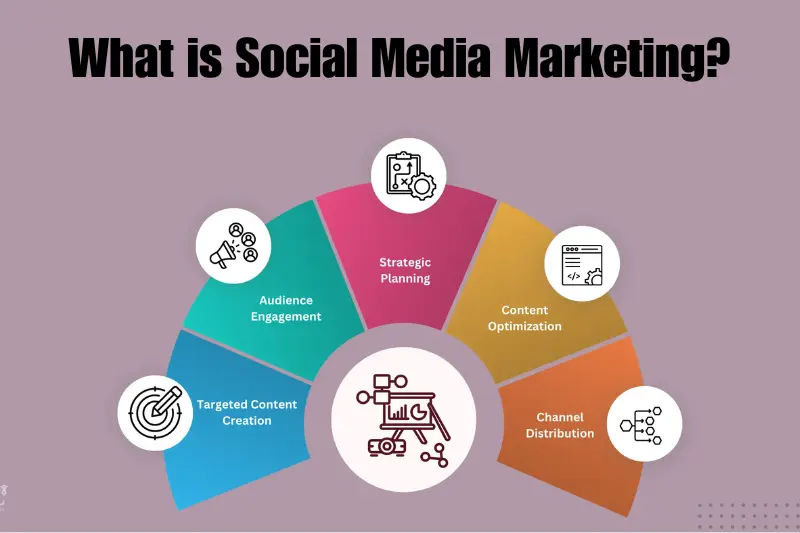
Social media marketing is the process of promoting products, services, brands, or personal profiles through social media platforms. It involves creating content, engaging with audiences, running advertising campaigns, analyzing results, and building relationships with followers.
The main purpose of social media marketing is to connect with people where they already spend their time online.
Popular social media platforms include:
- TikTok
- YouTube
- X (Twitter)
- Snapchat
Each platform has unique audiences, features, and opportunities.
Why Social Media Marketing Is Important
Many businesses invest heavily in social media because it offers benefits that traditional marketing channels often cannot provide.
Increased Brand Awareness
Social media helps businesses reach thousands or even millions of people. Consistent posting keeps your brand visible and memorable.
Better Customer Relationships
Social platforms allow direct communication between businesses and customers. Responding to comments and messages builds trust and loyalty.
Cost-Effective Marketing
Compared to television, radio, and print advertising, social media marketing is much more affordable and often provides better targeting options.
More Website Traffic
Sharing useful content can drive users to your website, blog, online store, or landing pages.
Higher Sales Opportunities
Effective social media campaigns can turn followers into paying customers through strategic content and promotions.
Valuable Customer Insights
Analytics tools provide information about audience behavior, helping businesses make smarter marketing decisions.
Understanding Your Target Audience
One of the most important sections of any social media marketing guide is audience research.
Many marketers fail because they focus too much on selling and not enough on understanding their audience.
Ask yourself:
- Who is my ideal customer?
- What problems do they face?
- What content do they enjoy?
- Which social media platforms do they use?
- What motivates them to make purchases?
The better you understand your audience, the easier it becomes to create content that resonates with them.
Creating Audience Personas
An audience persona is a fictional profile representing your ideal customer.
Example:
Name: Sarah
Age: 28
Occupation: Marketing Manager
Goals: Grow her career and learn new skills
Challenges: Limited time and information overload
Creating personas helps you tailor content to specific audience needs.
Choosing the Right Social Media Platforms

Not every platform is suitable for every business.
Facebook remains one of the largest social networks in the world.
Best for:
- Local businesses
- E-commerce brands
- Community building
- Paid advertising
Advantages
- Massive user base
- Detailed advertising tools
- Business pages and groups
Instagram focuses heavily on visual content.
Best for:
- Fashion brands
- Restaurants
- Travel businesses
- Influencers
- Personal brands
Advantages
- High engagement rates
- Stories and Reels
- Strong visual appeal
LinkedIn is the leading professional networking platform.
Best for:
- B2B companies
- Consultants
- Recruiters
- Corporate brands
Advantages
- Professional audience
- Industry networking
- Lead generation opportunities
TikTok
TikTok has transformed short-form video marketing.
Best for:
- Younger audiences
- Entertainment brands
- Content creators
- Product demonstrations
Advantages
- Viral growth potential
- High engagement
- Creative content opportunities
YouTube
YouTube is the world’s second-largest search engine.
Best for:
- Tutorials
- Reviews
- Educational content
- Product demonstrations
Advantages
- Long-term traffic
- SEO benefits
- Strong audience loyalty
Creating a Winning Social Media Strategy
A successful social media strategy provides direction and purpose.
Step 1: Define Your Goals
Common social media goals include:
- Increasing brand awareness
- Generating leads
- Growing followers
- Increasing website traffic
- Boosting sales
- Building customer loyalty
Use SMART goals:
- Specific
- Measurable
- Achievable
- Relevant
- Time-bound
Example:
“Increase Instagram followers by 20% within three months.”
Step 2: Analyze Competitors
Study successful competitors in your industry.
Look at:
- Their content style
- Posting frequency
- Engagement levels
- Popular posts
- Advertising strategies
Learning from competitors helps identify opportunities and avoid common mistakes.
Step 3: Develop a Content Plan
A content plan ensures consistency.
Your plan should include:
- Content topics
- Posting schedule
- Platform selection
- Campaign objectives
Consistency often matters more than perfection.
You may also like to read this:
E-Learning Tips and Strategies For Online Success Guide
Best Online Certification Courses For Career Growth in 2026
Learn SEO and Digital Marketing Skills For Online Success
Most Profitable Freelancing Skills For Students in 2026
Content Writing Skills Online: Complete Guide For Beginners
Types of Social Media Content
A balanced content strategy includes multiple content formats.
Educational Content
Educational content teaches your audience something useful.
Examples:
- Tutorials
- Tips
- Industry insights
- Step-by-step guides
Educational content builds authority and trust.
Entertaining Content
People visit social media primarily for entertainment.
Examples:
- Memes
- Funny videos
- Challenges
- Behind-the-scenes content
Entertaining content often generates shares and engagement.
Inspirational Content
Inspiration helps create emotional connections.
Examples:
- Success stories
- Motivational quotes
- Customer transformations
Promotional Content
Promotional posts highlight products or services.
Examples:
- Product launches
- Discounts
- Special offers
- Testimonials
Avoid making every post promotional.
User-Generated Content
User-generated content includes posts created by customers.
Benefits:
- Builds trust
- Increases authenticity
- Encourages community participation
Creating High-Quality Social Media Content
Content quality significantly impacts performance.
Write Attention-Grabbing Headlines
Strong headlines increase clicks and engagement.
Examples:
- 10 Social Media Mistakes to Avoid
- How to Double Your Engagement Rate
- The Ultimate Social Media Marketing Guide
Use High-Quality Visuals
Visual content typically performs better than text-only posts.
Use:
- Professional images
- Short videos
- Infographics
- Reels
- Carousels
Write Compelling Captions
Good captions:
- Capture attention
- Deliver value
- Encourage action
Always include a clear call-to-action (CTA).
Examples:
- Comment your opinion below.
- Share this with a friend.
- Visit our website today.
Building a Content Calendar
A content calendar helps maintain consistency.
Benefits include:
- Better organization
- Improved planning
- Consistent posting
- Reduced stress
Schedule content weekly or monthly to stay ahead.
Social Media Engagement Strategies
Engagement is one of the strongest indicators of content success.
Respond to Comments
Replying to comments shows followers that you value their opinions.
Ask Questions
Questions encourage conversations.
Examples:
- What’s your biggest marketing challenge?
- Which platform do you use most?
Use Polls and Surveys
Interactive content increases participation.
Host Live Sessions
Live videos help build authentic connections with your audience.
Social Media Advertising
Organic growth is valuable, but advertising can accelerate results.
Benefits of Paid Advertising
- Faster audience growth
- Precise targeting
- Increased traffic
- Better lead generation
- Higher conversions
Popular advertising platforms include:
- Facebook Ads
- Instagram Ads
- TikTok Ads
- LinkedIn Ads
- YouTube Ads
Start with a small budget and scale successful campaigns.
Social Media Analytics and Performance Tracking
Analytics help you understand what’s working and what isn’t.
Important Metrics
Reach
The number of unique users who saw your content.
Impressions
The total number of times content was displayed.
Engagement Rate
Measures likes, comments, shares, and interactions.
Click-Through Rate (CTR)
The percentage of users who clicked your links.
Conversion Rate
The percentage of visitors who completed a desired action.
Regular analysis helps improve future campaigns.
Common Social Media Marketing Mistakes
Avoid these costly mistakes:
Inconsistent Posting
Posting randomly makes audience growth difficult.
Ignoring Analytics
Data helps improve decision-making.
Buying Followers
Fake followers hurt engagement and credibility.
Posting Low-Quality Content
Poor content damages brand reputation.
Over-Promoting Products
Followers want value, not constant sales pitches.
Future Trends in Social Media Marketing
Social media continues evolving rapidly.
Key trends include:
- AI-powered content creation
- Short-form videos
- Social commerce
- Influencer marketing
- Personalized content
- Interactive experiences
- Live streaming
Businesses that adapt early often gain a competitive advantage.
Conclusion
This social media marketing guide provides a complete roadmap for building a successful social media presence. From understanding your audience and selecting the right platforms to creating engaging content and tracking performance, every step plays an important role in achieving long-term success. Social media marketing is not about quick results; it is about building trust, delivering value, and creating meaningful relationships.
By following the strategies in this social media marketing guide, you can grow your audience, strengthen your brand, increase engagement, and generate more sales over time.
Frequently Asked Questions (FAQs)
1. What is a social media marketing guide?
A social media marketing guide is a resource that explains how to use social media platforms to promote a brand, business, product, or service. It covers strategies for content creation, audience engagement, advertising, analytics, and business growth.
2. Why is social media marketing important for businesses?
Social media marketing helps businesses increase brand awareness, connect with customers, generate leads, drive website traffic, and boost sales. It is one of the most effective digital marketing methods available today.
3. Which social media platform is best for marketing?
The best platform depends on your target audience and business goals. Instagram and TikTok are great for visual content, LinkedIn is ideal for B2B marketing, Facebook works well for community building, and YouTube is excellent for educational and video content.
4. How do beginners start social media marketing?
Beginners should start by identifying their target audience, selecting the right platforms, creating valuable content, posting consistently, and tracking performance through analytics tools.
5. How often should I post on social media?
Posting frequency varies by platform. Generally, posting once or twice daily on Facebook and Instagram, several times a week on LinkedIn, and daily on TikTok can help maintain audience engagement.