

If you are searching for e-learning tips and strategies, it usually means one thing—you want to study online in a way that actually works, not just watch videos or read notes without understanding. The truth is, online learning can be powerful, but only if you know how to use it properly. Otherwise, it can feel confusing, distracting, or even overwhelming.
So in this guide, let’s go step by step and talk about real, practical e-learning tips and strategies that you can start using today to improve your focus, understanding, and results.
1. Understand How Online Learning is Different

Before jumping into techniques, you need to understand something important: e-learning is not the same as classroom learning.
In a physical classroom:
- You have a teacher watching you
- There is a fixed schedule
- Fewer distractions
In e-learning:
- You are responsible for your own focus
- No one forces you to stay consistent
- Distractions are everywhere (phone, social media, YouTube)
That’s why strong e-learning tips and strategies are not optional—they are necessary if you want to succeed.
2. Build a Serious Learning Environment
One of the biggest mistakes students make is studying anywhere without structure. Your brain needs signals that it is “study time.”
Create a simple learning setup:
- A quiet corner or desk
- Comfortable chair (not too relaxing like a bed)
- Good lighting
- Stable internet connection
Keep your study area clean and distraction-free. Even small changes in your environment can improve focus more than you think.
This is one of the most underrated e-learning tips and strategies, but it works extremely well.
3. Make a Real Study Plan (Not Just Ideas)
Many learners say, “I will study today,” but don’t decide what or how much. That leads to wasted time.
Instead, create a proper plan:
Daily plan example:
- 10:00–10:45 → Watch lesson video
- 10:45–11:00 → Break
- 11:00–11:30 → Practice questions
- 11:30–11:45 → Notes revision
Weekly plan example:
- Monday: New topic introduction
- Tuesday: Practice + notes
- Wednesday: Revision
- Thursday: Test yourself
- Friday: Weak area focus
Good e-learning tips and strategies always include structure, because structure removes confusion.
4. Control Your Digital Distractions
Let’s be honest—this is the hardest part.
While studying online, distractions are just one click away:
- Instagram reels
- WhatsApp messages
- YouTube recommendations
- Gaming apps
To control this:
- Turn on Do Not Disturb mode
- Use website blockers during study time
- Keep your phone in another room if possible
- Study in full-screen mode
If you improve this one habit, your learning speed can increase dramatically.
5. Use the “Active Learning” Method
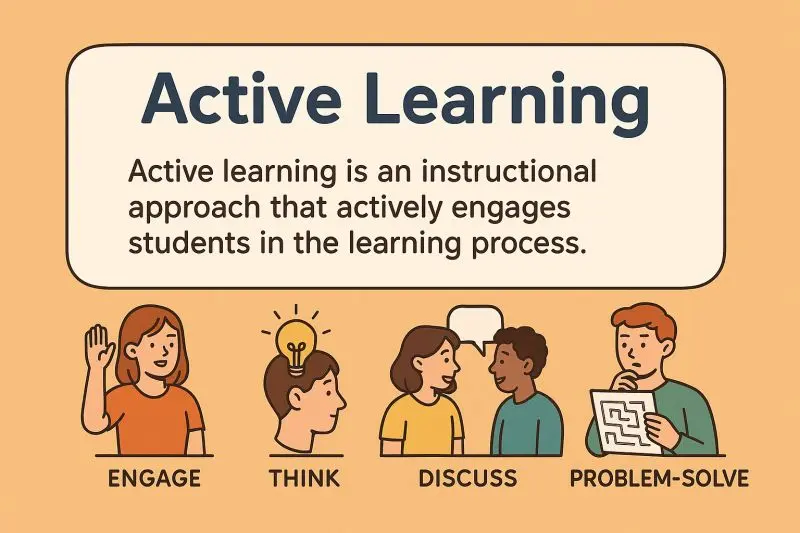
Just watching videos or reading notes is passive learning. It feels easy, but you forget quickly.
Instead, use active learning:
- Write notes in your own words
- Pause videos and summarize what you learned
- Teach the topic to yourself out loud
- Draw diagrams or mind maps
This is one of the most powerful e-learning tips and strategies because it forces your brain to process information instead of just receiving it.
6. Use the Right Learning Platforms
Not all online resources are helpful. Some are too complex, some are incomplete, and some are just confusing.
Choose platforms that:
- Explain concepts step by step
- Offer practice exercises
- Provide quizzes or tests
- Allow revision content
Stick to a few good sources instead of jumping between too many websites. Too many resources can actually reduce focus.
7. Break Study Sessions into Small Chunks
Studying for long hours without stopping makes your brain tired and less effective.
Try these methods:
- Pomodoro Technique (25 minutes study + 5 minutes break)
- 50–10 method (50 minutes study + 10 minutes break)
During breaks:
- Stretch your body
- Drink water
- Avoid scrolling on your phone (this defeats the purpose)
Short breaks help your brain reset, which improves memory and focus.
8. Practice Regular Self-Testing
One of the smartest e-learning tips and strategies is testing yourself instead of just re-reading.
Try:
- Online quizzes
- Flashcards
- Writing answers without looking at notes
- Solving past papers
Why this works:
When you test yourself, your brain learns what it actually remembers—not what it feels like it remembers.
9. Stay Consistent, Not Just Motivated
Motivation comes and goes. Consistency builds results.
Even on low-energy days:
- Study for at least 20–30 minutes
- Revise old topics instead of starting new ones
- Watch short lessons instead of long ones
The goal is not perfection—it is consistency. Small daily progress is better than irregular long study sessions.
10. Set Clear Goals for Every Session
Without goals, studying becomes random.
Instead of saying:
“I will study science today”
Say:
“I will complete photosynthesis topic and solve 10 questions”
Clear goals:
- Keep you focused
- Give you direction
- Make learning measurable
This is one of the simplest but most effective e-learning tips and strategies for students of all levels.
You may also like to read this:
Exam Preparation Tips: Easy Methods To Reduce Exam Stress
Best Online Learning Platforms 2026 | Top Courses & Sites
Free Online Courses For Beginners To Build Skills in 2026
Complete Guide on How To Learn Online Effectively at Home
Best Distance Learning Guides To Succeed in Online Education
11. Stay Connected and Ask Questions
Online learning doesn’t mean learning alone.
You can:
- Join study groups
- Ask questions on forums
- Discuss topics with friends
- Watch explanation videos for difficult concepts
When you interact with others, you understand topics faster and remember them longer.
12. Take Care of Your Health While Studying Online
Your brain performance depends on your body condition.
To stay sharp:
- Sleep at least 7–8 hours
- Drink enough water
- Take short walks between study sessions
- Avoid studying late at night every day
A healthy body leads to better concentration and faster learning.
Final Thoughts
These e-learning tips and strategies are not complicated, but they are powerful when applied consistently. Online learning gives you freedom, but that freedom only works when you bring discipline into your routine.
If you focus on building the right environment, controlling distractions, practicing actively, and staying consistent, you will notice a big improvement in how quickly you understand and retain information.
Start with just a few of these strategies today, and slowly build them into your daily routine.
FAQs: E-Learning Tips and Strategies
1. What are e-learning tips and strategies?
E-learning tips and strategies are practical methods that help you study online more effectively. They include techniques like time management, active learning, note-taking, and reducing distractions to improve focus and understanding.
2. Why are e-learning tips and strategies important?
They are important because online learning requires self-discipline. Without proper strategies, students can easily get distracted or lose motivation. These tips help you stay organized and learn more efficiently.
3. How can I stay focused while studying online?
To stay focused, create a quiet study space, turn off notifications, and follow a fixed study schedule. Short study sessions with regular breaks also help improve concentration.
4. What is the best way to take notes in e-learning?
The best way is to write notes in your own words. Use bullet points, diagrams, and summaries instead of copying everything. This helps you understand and remember topics better.
5. How many hours should I study online daily?
It depends on your goal, but 2–5 focused hours of study with breaks are usually more effective than long, unplanned study sessions.