
If you are searching for free online courses for beginners, you’re probably thinking about improving your skills, switching careers, or just learning something new in your free time. The best part? You don’t need to spend money or enroll in a university to get started anymore.
Today, thousands of high-quality courses are available online for free. You just need the right direction, and this guide will help you step by step.
Why You Should Start Free Online Courses for Beginners
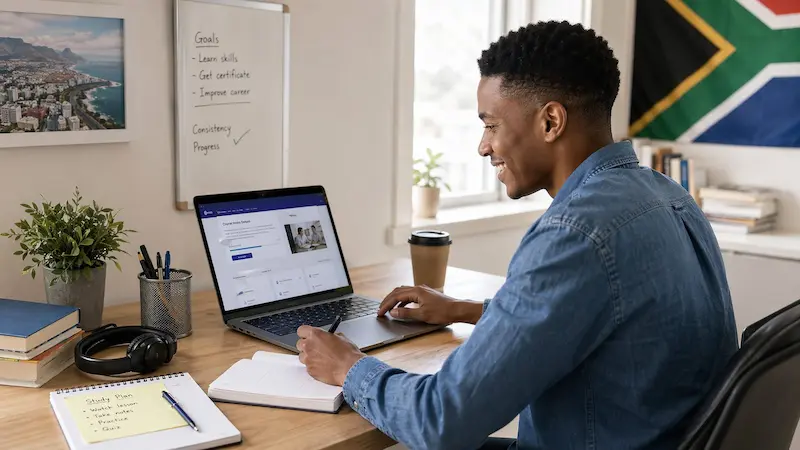
Let’s be honest—learning something new can feel confusing at first. But free online courses for beginners make it much easier because they remove the biggest barrier: cost.
Here’s why they are so powerful:
1. No financial pressure
You can explore different fields without paying anything. If you don’t like one subject, simply switch.
2. Learn anytime, anywhere
You can study from your mobile phone, laptop, or even during travel. There are no fixed schedules.
3. Build real skills
These are not just theory-based lessons. Many courses include real projects and assignments.
4. Career opportunities
Even free courses can help you land internships, freelance work, or entry-level jobs if you practice well.
Best Platforms for Free Online Courses for Beginners
Now let’s explore the most trusted platforms where you can actually start learning today.
1. Coursera – University-Level Learning
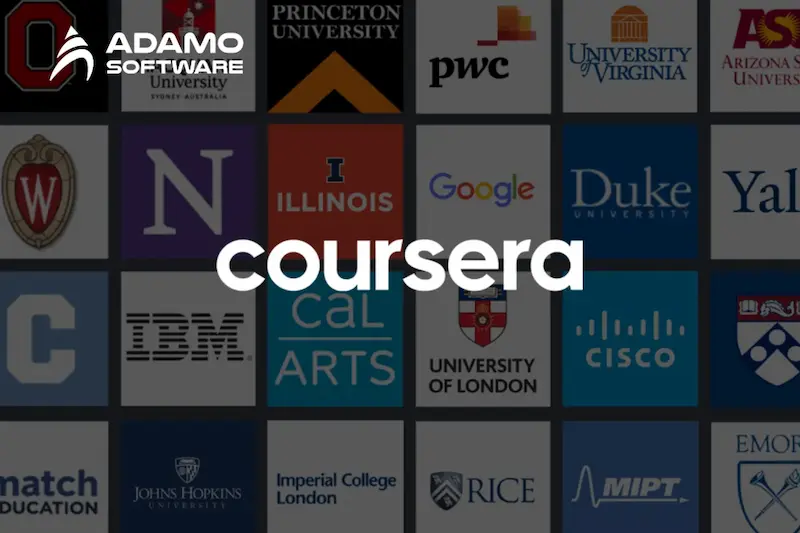
Coursera is one of the most popular learning platforms in the world. It partners with top universities like Stanford, Yale, and Google.
What you can learn:
- Business and entrepreneurship
- Data science and AI basics
- Personal development
- IT and computer science
Why beginners love it:
- Courses are structured like real university classes
- You can audit many courses for free
- Includes video lectures, quizzes, and assignments
Best tip: Start with beginner “guided projects” to build confidence quickly.
2. edX – Learn from Top Universities
edX offers high-quality academic courses from universities like Harvard and MIT.
What makes it special:
- Strong focus on theory + practical learning
- Free access to course materials (certificate optional)
- Excellent for technical fields
Best beginner subjects:
- Computer science fundamentals
- Data analysis
- Engineering basics
- Business management
If you want serious academic-style learning, this is a great choice.
3. Khan Academy – Perfect for Absolute Beginners
Khan Academy is one of the easiest platforms for beginners, especially if you are starting from zero.
You can learn:
- Math (basic to advanced)
- Science (physics, chemistry, biology)
- Economics
- Computer programming basics
Why it stands out:
- Very simple explanations
- Step-by-step learning style
- Completely free forever
Best for students or anyone rebuilding basic knowledge.
4. Udemy – Skill-Based Practical Learning
Udemy is known for its huge library of online courses. While most are paid, many high-quality free courses are also available.
What you’ll find:
- Digital marketing
- Web development
- Graphic design
- Productivity skills
Why beginners like it:
- Very practical and hands-on
- Easy to follow videos
- Real-world examples included
Tip: Always check ratings before starting a course.
5. Google Digital Garage – Career-Focused Learning
Google offers free training programs designed to help beginners build digital skills.
What you can learn:
- Digital marketing fundamentals
- SEO basics
- Online business strategies
- Career development skills
Why it’s useful:
- Industry-recognized training
- Simple beginner-friendly lessons
- Focus on job-ready skills
Great choice if you want to earn online or start freelancing.
Step-by-Step Learning Plan for Beginners
If you are confused about where to start, follow this simple roadmap:
Step 1: Choose ONE skill
Don’t try to learn everything at once. Pick one:
- Digital marketing
- Coding
- Graphic design
- Communication skills
Step 2: Start with beginner courses
Search for “introductory” or “basics” courses on platforms like Coursera or Khan Academy.
Step 3: Study daily (even 20–30 minutes)
Consistency is more important than long study sessions.
Step 4: Practice what you learn
If you are learning:
- Coding → write small programs
- Marketing → create sample posts
- Design → make simple graphics
Step 5: Build a small project
This is where real learning happens. Example:
- A simple website
- A social media page
- A blog post portfolio
Step 6: Keep upgrading slowly
Once you finish beginner level, move to intermediate courses.
You may also like to read this:
Best Academic Learning Guides For Effective Studying
Student Success Strategies Every Student Should Follow
Best Education Blogs For Learners To Boost Knowledge Fast
Exam Preparation Tips: Easy Methods To Reduce Exam Stress
Best Online Learning Platforms 2026 | Top Courses & Sites
Common Mistakes Beginners Should Avoid
Even the best free online courses for beginners won’t help if you make these mistakes:
- Jumping between too many courses
- Not practicing what you learn
- Watching videos without taking notes
- Giving up too early
Remember: learning is a slow process, not a race.
Best Skills to Learn in 2026
If you are unsure what to choose, here are trending beginner skills:
- Artificial Intelligence basics
- Digital marketing
- Web development
- Content writing
- Data analysis
- Graphic design
These skills are in high demand and beginner-friendly.
Final Thoughts
Starting with free online courses for beginners is one of the smartest ways to improve your future without spending money. You don’t need perfect English, a degree, or special tools—just consistency and curiosity.
Pick one platform, choose one skill, and start today. Even 30 minutes a day can completely change your future over time.
FAQs: Free Online Courses for Beginners
1. What are free online courses for beginners?
Free online courses for beginners are beginner-level learning programs available on the internet at no cost. They are designed for people who are just starting in a subject and want to learn step by step.
2. Are free online courses really useful for building a career?
Yes, they can be very useful. Many learners use free online courses for beginners to build foundational skills in fields like digital marketing, coding, and design. While they may not always give formal degrees, they help you gain practical knowledge and experience.
3. Do I get certificates from free online courses?
Some platforms offer free certificates, but many provide certificates only in paid versions. However, even without a certificate, the skills you gain are still valuable for jobs and freelancing.
4. Which platform is best for free online courses for beginners?
There are several good platforms:
Coursera – University-level structured courses
edX – Academic and technical learning
Khan Academy – Simple beginner-friendly learning
Udemy – Practical skill-based courses
Google – Digital skills and career training
Each platform has its own strengths depending on what you want to learn.
5. How much time should I spend on learning daily?
For beginners, even 20–60 minutes per day is enough. The key is consistency. Studying a little every day is better than long, irregular sessions.