
When you hear the term emerging digital technologies, it might sound complex at first. But in simple words, it refers to the newest and fastest-growing technologies that are changing how we live, work, communicate, and learn. These technologies are not just ideas for the future—they are already part of your daily life, even if you don’t always notice them.
From the apps on your phone to online banking, from smart devices in homes to AI tools that help you write or search, everything is evolving because of these innovations.
Let’s explore them in detail in a simple and friendly way so you can clearly understand how they work and why they matter.
What Are Emerging Digital Technologies?
Emerging digital technologies are modern tools, systems, and innovations that are still developing but growing very fast in usage and importance.
They usually:
- Solve real-world problems in new ways
- Improve speed, accuracy, and efficiency
- Replace older manual or traditional systems
- Create new industries and job opportunities
These technologies are shaping what experts call the “digital future.”
Why Emerging Digital Technologies Matter in Today’s World
You might wonder, why is everyone talking about them?
The reason is simple: they are changing everything around you.
They matter because they:
- Help businesses run faster and smarter
- Improve education through online learning tools
- Make healthcare more accurate and accessible
- Support communication across the world instantly
- Create new digital jobs and career paths
In short, they are becoming the backbone of modern society.
1. Artificial Intelligence (AI): Machines That Think Smart
Artificial Intelligence is one of the most powerful emerging digital technologies today.
AI means machines or systems that can think, learn, and make decisions like humans (to some extent).
How you already use AI:
- Google Maps suggesting fastest routes
- YouTube recommending videos
- Instagram showing content you like
- Chatbots answering customer questions
Where AI is used:
- Healthcare (detecting diseases early)
- Education (personalized learning platforms)
- Business (customer support and analytics)
- Security (fraud detection systems)
AI is growing quickly, and in the future, it will become even more advanced, helping automate many daily tasks.
2. Internet of Things (IoT): When Devices Talk to Each Other
The Internet of Things (IoT) is all about connecting physical devices to the internet so they can collect and share data.
Simple examples you may already know:
- Smart watches tracking steps and heart rate
- Smart TVs connected to streaming apps
- Smart home systems controlling lights or fans
- GPS trackers in vehicles
How IoT works:
Devices collect information → send it through the internet → systems analyze it → actions are taken automatically.
Why it matters:
IoT makes life:
- More convenient
- More automated
- More energy-efficient
- More connected
In the future, entire cities will run using IoT systems, known as smart cities.
3. Cloud Computing: Storing Everything Online
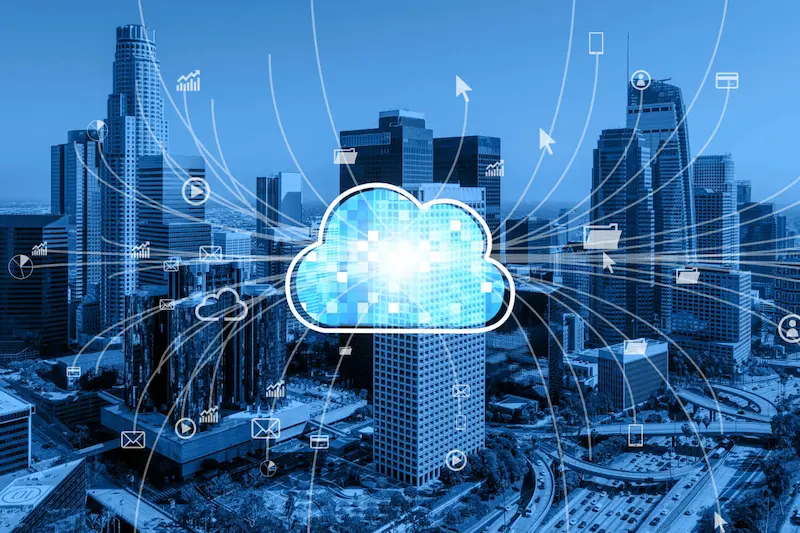
Cloud computing means storing and accessing data and software over the internet instead of your device’s storage.
You use cloud computing when you:
- Save files on Google Drive or Dropbox
- Watch Netflix or Spotify
- Use online tools like Canva or Zoom
Benefits of cloud computing:
- Access data from anywhere
- No need for heavy storage devices
- Easy collaboration between teams
- Automatic backups for safety
Businesses also rely heavily on cloud systems because they reduce costs and increase flexibility.
4. Blockchain Technology: Secure Digital Records
Blockchain is a system that stores information in a secure, transparent, and unchangeable way.
Instead of one central system, blockchain uses many connected computers to store data.
Simple uses of blockchain:
- Cryptocurrency like Bitcoin
- Secure online transactions
- Tracking goods in supply chains
- Digital identity verification
Why it is important:
- Very difficult to hack
- Data cannot be easily changed
- Builds trust in digital systems
Blockchain is not just about money—it is about digital security and transparency.
5. 5G Technology: Super-Fast Internet Connection
5G is the fifth generation of mobile network technology, offering much faster internet than previous generations.
What 5G improves:
- Faster downloads and uploads
- Low delay in communication
- Better streaming and gaming experience
Real-world impact:
- Self-driving cars
- Remote surgeries
- Smart cities
- High-quality video calls without lag
5G is the backbone that supports many other emerging technologies.
6. Augmented Reality (AR) and Virtual Reality (VR)
AR and VR are technologies that change how we experience digital content.
Augmented Reality (AR):
AR adds digital elements to the real world.
Examples:
- Snapchat filters
- Pokémon GO game
- Virtual furniture placement apps
Virtual Reality (VR):
VR creates a fully digital environment that you can enter using headsets.
Examples:
- Virtual gaming worlds
- Flight or medical training simulations
- Virtual travel experiences
Why AR/VR matter:
They are widely used in:
- Education
- Gaming
- Training
- Real estate
- Tourism
They make learning and experiences more interactive and engaging.
7. Big Data: Turning Information Into Power
Every second, huge amounts of data are generated from apps, websites, and devices.
Big Data refers to collecting and analyzing this massive information to find useful patterns.
Example uses:
- Netflix recommending movies
- Banks detecting fraud
- Businesses understanding customer behavior
Importance:
Big Data helps companies make better decisions based on real facts instead of guesses.
You may also like to read this:
Latest Technology Trends 2026 | Future of AI & Innovation
Beginner Tech Tutorials Online For Students and Beginners
Best AI Tools For Students To Improve Study and Productivity
Best Software Reviews and Guides For Easy Tool Selection
Technology Blogs For Beginners: Step-By-Step Learning Guide
8. Cybersecurity: Protecting the Digital World
As technology grows, risks also increase. That’s where cybersecurity comes in.
Cybersecurity protects systems, networks, and data from attacks.
Common threats:
- Hacking
- Phishing emails
- Data theft
- Malware attacks
Why it matters:
- Protects personal information
- Secures financial transactions
- Keeps businesses safe
Without cybersecurity, digital systems would not be safe to use.
Benefits of Emerging Digital Technologies
Let’s simplify the major benefits:
- Faster communication worldwide
- Automation of repetitive tasks
- Improved healthcare services
- Better education access
- Smarter business decisions
- Increased productivity and efficiency
These technologies are designed to make life easier and more connected.
Challenges You Should Also Know
While these technologies are powerful, they also come with challenges:
- Job automation replacing some roles
- Privacy concerns with personal data
- Cybersecurity risks
- Over-dependence on technology
- Digital inequality (not everyone has access)
That’s why responsible use and continuous learning are important.
Future of Emerging Digital Technologies
The future is moving toward:
- Fully automated industries
- AI-powered assistants everywhere
- Smart cities with connected systems
- Virtual workplaces and classrooms
- Advanced robotics in daily life
Technology will not replace humans—but it will change how humans work and live.
How You Can Prepare for This Digital Future
You don’t need to be a tech expert. Just start with small steps:
- Learn basic digital skills (typing, browsing, tools)
- Explore AI tools and apps
- Practice online learning platforms
- Stay updated with technology trends
- Improve problem-solving and creative thinking
The more you understand technology, the more opportunities you unlock.
Final Thoughts
Emerging digital technologies are shaping a new world where everything is faster, smarter, and more connected. From AI and cloud computing to IoT and blockchain, these innovations are transforming every part of life.
If you start learning about them today, you’re not just keeping up with change—you’re preparing for a future where digital knowledge is one of the most valuable skills you can have.
FAQs on Emerging Digital Technologies
1. What are emerging digital technologies?
Emerging digital technologies are new and rapidly developing tools and systems such as AI, IoT, cloud computing, blockchain, and AR/VR that are changing how people live, work, and communicate.
2. Why are emerging digital technologies important?
They are important because they improve efficiency, create new jobs, enhance communication, support automation, and make services like healthcare, education, and business more advanced and accessible.
3. What are the main examples of emerging digital technologies?
Some key examples include:
Artificial Intelligence (AI)
Internet of Things (IoT)
Cloud Computing
Blockchain Technology
5G Networks
Augmented Reality (AR) and Virtual Reality (VR)
4. How is Artificial Intelligence used in daily life?
AI is used in everyday applications like voice assistants, recommendation systems (YouTube, Netflix), navigation apps, chatbots, and social media feeds.
5. What is the Internet of Things (IoT)?
IoT refers to devices connected to the internet that can collect and share data, such as smart watches, smart home devices, and connected vehicles.